The Villains of Fragrance

Living on the inside, often looking out and wondering what Life would be like if I could move about the world like everyone else, the isolation I face can feel lonely at times, but I do like my alone time. I prefer to create art and make things in my space with no one telling me to stop.
One of the villains I face regularly when I go to a store for candles is the one that lurks in the aisle. They lurk in an aisle, usually unsuspectingly, and the fragrance seeps into the store, which is challenging when I approach.
Well, I have talked about different household items before; one thing most people may not realize is that toilet paper has fragrance. Toilet paper does have quite a bit of fragrance and can be quite smelly. This is problematic.
Many people have aerosol cans in their homes, whether they’re spraying fragrance into the air in their bathroom or kitchen, or using something like a cooking spray in an aerosol can. Whether the aerosol can has fragrance or not, the consequences can set in quickly. These consequences involve having dry eyes, dizziness, throat irritation, and migraines. These effects can also lead to deadly consequences like organ damage and respiratory diseases, which many people may not know.
Garbage bags are another one of those things that can definitely cause problems, but soaking laundry, soaps, and laundry soaps come in many different kinds of shapes and sizes, whether they’re tablets or bottles, but the reality is they are perfumes.
Many cleaning products also contain fragrances, which can include VOCs (volatile organic compounds). These volatile organic compounds can cause many challenging symptoms for many people.
Fragrances linger in the air, especially indoors, and do not subside easily. They can disrupt air quality and cause respiratory issues for many people.
Did you know that 33% of the population has this kind of problem, where they have an adverse health reaction to fragrance? Many of us are canaries in the coal mine in today’s world.
A dream of mine is to keep all those fragrances far away from people so they can’t harm everyone. And someday maybe that will be the reality. But for now, I feel like I’m fighting this one-person fight. It is challenging to get people to understand the importance of fragrance intolerance and why we must care about the air that we share.
Anaphylaxis and Fragrance
Today, I’m having an allergic reaction. Because of this allergic reaction, I am immensely confused right now. I was trying to figure out what to do today, but I can’t. I feel as though my brain is shutting off and shutting down.
Trying to write this is also challenging. I feel poisoned. I feel like I drink so much alcohol and smoke joints, and like I took some stimulant at the same time. Fragrance is the culprit, and the crime is anaphylaxis. I feel high when I start to have an allergic reaction, and that’s how I know I’m having one. My body temperature goes out of whack, my head feels fuzzy, and I can’t think straight. My body temperature goes from really cold to really hot. My temperature fluctuates in both directions. I feel as though I could pass out and sleep forever, but at the same time I can’t because I’m awake but confused.
It pains me even to try to write this right now. I won’t understand, and I want people to feel connected, and I feel like we’re in a time when we’re so disconnected, struggling with so many things on our own.
I wish I could help people understand these illnesses so fewer people would feel alone and worse. People would feel less hurt and feel understood.
They lie here on the ground, dizzy, seeing stars, feeling as though the world is spinning by me, and I am stuck here in the prison fragrance has built around me. There’s nothing I wish for more than for the world to be less fragrant outside of my door. And I hope that someday the work that I’m doing will pave the way for reduced indoor air pollution and places where I can go outside of my home and have the opportunity to meet people.
I truly wish this isolation would end, and I could find connection. Yet here I am again, dealing with the symptoms alone and dealing with the repercussions of simply trying to get a prescription filled. We don’t need fragrances to survive. We need air that we can share.
Fragrance Doesn’t Mean Clean
In reality, people experience many symptoms at home and may feel unwell. If you are consistently covering up the smells in your home, how would you ever know you have a potential mold issue? You can not smell the mold if you continuously spray a fragrance to cover it up. Masking odors doesn’t protect you from them. I recall a conversation with someone who said, “This product smells clean,” and the product they were talking about was heavily fragranced to cover up the insidious chemicals inside. The conversation continued, where I assured them that “it may smell clean, but you are breathing in harmful chemicals thinking it is safe and clean.”
Something being fragranced doesn’t mean it cleans better. And if, as a civilization, we continue to get cancer, develop strange diseases, and increase lung diseases, it is odd to me that people are discounting fragrance as a culprit. It is something that causes harm in many settings, exceptionally so within the indoor environment. We must be prepared to share the indoor air, change our approach to indoor air quality, and create a society where we can all breathe a little easier.
I tire of the cycle of explaining and people pushing me to spend time with them in unsafe environments. Chemicals are not something we should be excited to keep in our homes; chemicals harm. Fragrances cover up harmful chemical smells, and because something smells wonderful, we breathe deep to enjoy a fragrance while inhaling dangerous chemicals into our lungs. Instead of people supporting big fragrance companies because things smell great, why is there less concern for what the fragrance is covering up? Something smelling clean and fresh does not equate to being clean, and something smelling good doesn’t equate to being harmless. We must look at the harmful things we keep in our homes that contribute to us feeling unwell and getting sick.
Being a Canary in the modern coal mine of fragrance means continuing to talk about an issue that isn’t being addressed in many spaces. When you live with a condition that can cause anaphylaxis from fragrances, you know the toll it takes on your own body, as I do. I know it can have detrimental effects on me. I’ve isolated myself from the potential harms because it helps me survive.
I have been asked to go to dinners, the mall, a movie, concerts, and other public spaces. While in the past I pushed myself to accommodate other people’s experiences in life, I decided not to endanger my life anymore. I am the one who ends up swollen and unwell. While fragrances are part of the issue, the problem with fragrance intolerance on any front is that people assume it is only select fragrances. I’ve been told not to leave my home by people who don’t know me, and to get a life to live and explore. I feel the disconnect with invisible illnesses is infuriating.
Chemicals are not the way to go to help us survive; chemicals will be our downfall, and the inevitability of us becoming sterile will lead to the death of the human race. Chemicals cause harm to your children, spouse, parents, and friends; chemicals do not discriminate, and the unsafeness of fragrance is something that seems to be pushed aside as more people develop cancer and lung diseases. It worries me for future generations.
MCAS and Gastlighting

The gaslighting that happens with MCAS is one of the things that I find to be very infuriating. I’ve been accused of lying about having a disease that people don’t understand, nor educate themselves about what it’s about. While my experience may not be like others with them cast, my experience is my own, and the way that my body reacts to stuff is something that I can’t always explain to others. And Cas is a challenging illness to live with because of what it does to a person. It gives you allergic reactions to seemingly non-problematic things. One of those things is fragrances.
I didn’t realize how much of a problem I had with fragrance until I started putting on a mask. I thought, oh, maybe I’m allergic to trees, or maybe it’s something in the air, which it was. It was a fragrance. Through a lot of self-exploration and advocacy for myself, I’ve come to the discovery that fragrance is the enemy. MCAS has wrecked my life. It has made me isolated. And put me in a place where I do not feel understood or seen. I’ve been met with comments about how I would have, whether that’s from medical doctors, family members, or even friends. The reality of MCAS is that it is unpredictable. And because of that, it can make it harder to explain to people and navigate the world. A lot of what I’m doing with Canary Air is to raise awareness and understanding of fragrance intolerance.
Fragrance intolerance is a real thing, and the longer that we don’t accommodate people like me, the more people are left out of the workforce, the more people are left out of schools, and the more people are left out of society in general.
It can be rather infuriating trying to justify yourself to people who don’t think the way that you’re living or the illnesses you have are justified in anything. There’s quite a large disconnect between people and those with illness. And I regularly feel that disconnect, where I try to explain why I can’t do something or why something would be unsafe. I find the frustration around fragrance tolerance just continues to grow, and I feel like we’re leaving so many people behind and out of the conversation that we really need to reevaluate as a society where our priorities lie.
The reality is people with disabilities do matter, accommodations matter, and if we’re not accommodating people who have fragrance intolerance, we’re not really sharing the air, nor are we really following the legislation of the government of Canada when it comes to accessibility. Accessibility is not just guidelines; it’s a recommendation. They are measures put in place to aid people in need. They’re put there so people can live life more fully and have the same rights as everyone else, but in today’s society, it doesn’t feel that way.
I hope that through the work I am doing to make a difference for the next generation as well as my own, to have safer air spaces and to bring about understanding, education, and change.
Fragrance Can Cause Anaphylaxis
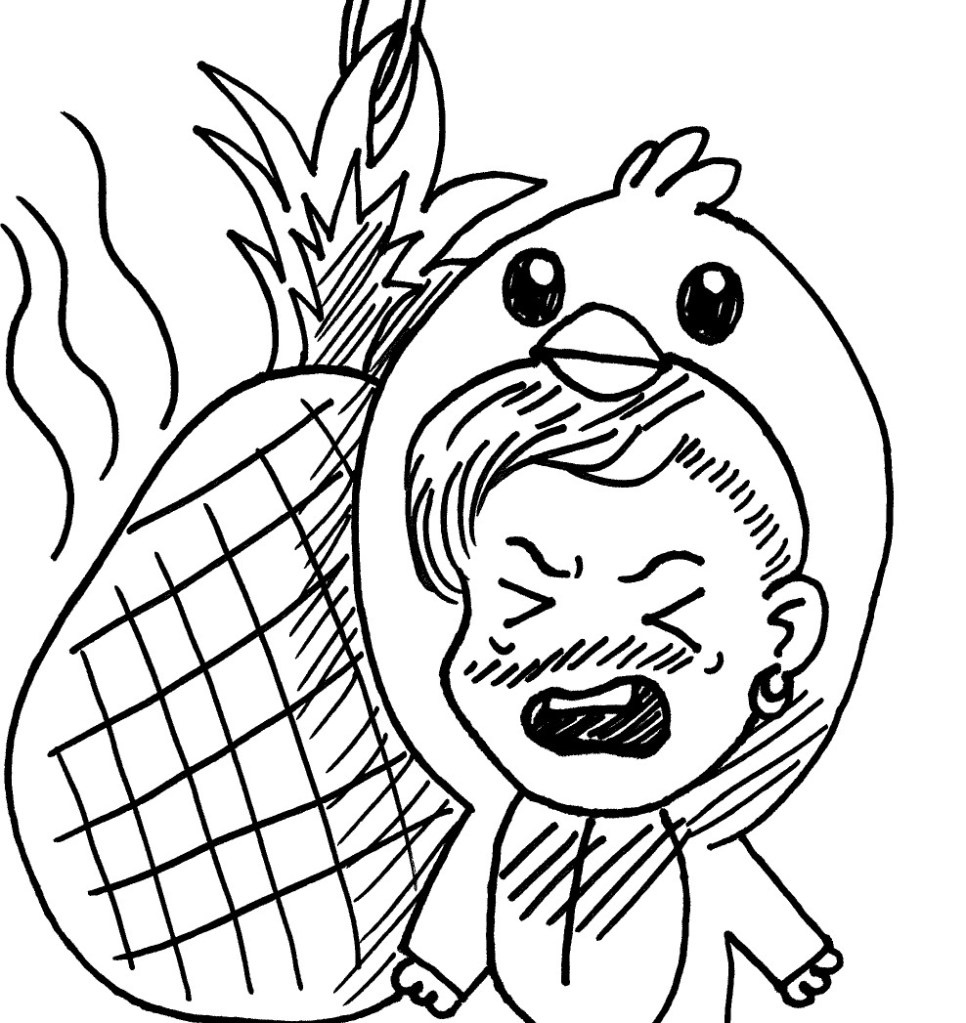
Mast Cell Activation is what keeps me here… a disease that has aided in the degradation of my body, and the exaggerated allergic reactions that follow are infuriating at times.
Imagine if you will the following:
You set out for a coffee with a friend, and on your way, you decide that instead of walking, you will call a cab. As soon as the cab arrives, you hop in with excitement, and the cab driver asks where you are headed. You tell them, and you are on your way.
But wait, a sinister villain is hanging from the rearview mirror, a fragrant pineapple-shaped air freshener. It has always baffled me why an air filter is called a filter when it creates indoor pollution. That aside, you realize your throat is becoming itchy, so you ask the cab driver to pull over. You pay, you exit the cab, and the driver leaves you on the curb, not as your destination, but in an unfamiliar part of the city.
Now lost, confused, and alone, your throat begins to jump because it is threatening to close. As your airway tightens, you feel yourself slipping in and out of consciousness. You will not make it to your coffee with your friend because now you must fight for your life. You reach into your bag and grab your EPI and inject yourself with it. After this, you call 911 and await a paramedic to arrive.
Yet you are told they will not be there within the 15-minute window. The 15-minute window, for those of you who do not know, is to help you get medical intervention after using an EpiPen. You must seek medical attention after 15 minutes of using an EpiPen to ensure that if you have a rebound reaction, you are able to get the care you need.
I have two EpiPens for this reason; the two give me 30 minutes to get to a hospital, and it has been recommended to me by my doctors that this is the best option for me to ensure I get to the hospital in time.
Anaphylaxis is life-threatening; fragrances can and do cause life-threatening responses in people. I do not isolate myself for fun, nor do I relish being alone all the time. It is paramount to my survival, and I will never put myself in a situation where I am exposed to fragrances. If I can avoid allergens, I will, because fragrance can have deadly consequences.
Fragrance is an invisible Barrier
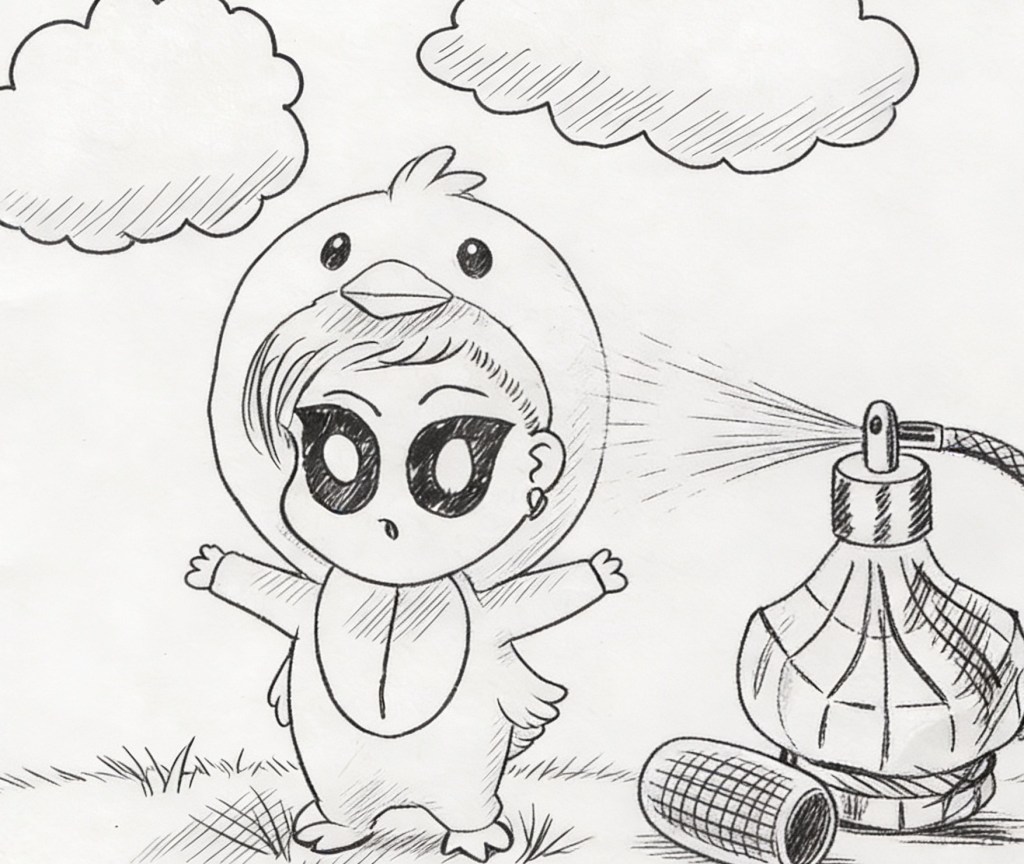
You might wonder how fragrance can act as an invisible barrier. As someone with fragrance intolerance, I can tell you firsthand. For many of us, fragrance can quietly and powerfully stand in the way of participating in work, parties, concerts, school, and even important visits to medical buildings. Fragrance can trigger debilitating migraines and other symptoms for so many people. Imagine how much more welcoming and inclusive our spaces could be if we truly paid attention to sharing the air we all breathe. Sometimes, it may feel like no one notices or cares—but I believe that awareness and empathy can lead to real change.
I went to a university I had dreamed of attending since I was sixteen. As an adult,, I decided to apply and was accepted. I remember walking through those doors for the first time, which filled me with excitement and hope for the future. Yet, an unexpected challenge awaited me, a challenge that threatened to put my dreams on hold. The main mall bathroom, with soap that smelled like Axe Body Spray mixed with Old Spice, would cause me to black out and swell over time. Despite this, my determination and optimism remained strong, even in the face of adversity.
Living with mast cell activation syndrome means that allergic reactions can happen unpredictably—sometimes before, sometimes long after exposure. There is a seventy-two-hour window for anaphylactic and anaphylactoid responses, making each day at school an act of courage. Even as I felt progressively worse with every visit, I held onto hope that things could get better.
I had to make the difficult decision to leave my dream school or leave my degree unfinished. It was heartbreaking, and for a time, I felt defeated. Before I left the school, I had reached out to the school, hoping for understanding and change, but received no response. I think to myself often to this day that if it had been a peanut allergy, perhaps things would have been different. Fragrances, too, can cause life-threatening reactions. I believe everyone deserves to be included in our communities, and no one should have to hide or silence their experiences for others’ comfort. True change isn’t always easy; it comes from awareness, empathy, and the courage to have honest conversations.
Not everyone lives with mast cell activation syndrome (MCAS) as I do. For those of us who do, reactions to fragrance can be severe and often life-threatening. My hope is that more people will recognize and respect the reality of fragrance allergies, so they can enjoy life and leave their homes. By raising awareness and implementing a fragrance-free policy, we can create environments that feel welcoming and safe. Imagine how many more people could participate in society and the workforce if we all took steps to truly share the air.
What Advocacy Looks Like for a Patient

Advocacy in the medical field is when we, as patients, deliberately talk to our doctors, nurses, pharmacists, and Emergency Medical Service (EMS) workers to explain what we are going through in a way that helps them understand. Advocacy is a fancy way of saying communicating our needs.
Advocacy can ensure you receive the care you need. I used to not tell doctors, nurses, pharmacies, and Emergency Medical Service (EMS) workers what I needed. I felt as though I shouldn’t bother them, or they had too much going on.
The thing is, they are there to help, and if you don’t give all the information to them, you are the one who can suffer the dire consequences. It is vital we speak up. We must tell everyone involved in our care what we need.
What does advocacy mean? We must ask questions if you do not understand a diagnosis or the purpose of a medication.
If you are allergic to meds, tell everyone on your team, even if it is written on a medical alert bracelet or written in your chart, re-verbalize it. I know it is exhausting, but we must advocate in this way to keep ourselves safe.
Doctors can sometimes advocate on your behalf; having them write information to other doctors can help them to understand what that doctor wants you to do, or they can explain the interventions they are doing for your care.
Nurses can also pass information off to doctors. It is vital that you feel you can trust your doctor to be honest with you. Yes, patients do lie about substances they use, but I encourage you, if you use those substances, talking to a doctor about the frequency you use them can help them understand what is going wrong with your body.
Advocacy means clearly stating what we need, our rights, our personal preferences, and what we believe is needed for our safety. I need people around me to make it in hospitals. If I get IV treatments at home or the hospital, when I leave the house, I wear a mask, which protects me. I have asked medical personnel to sanitize their hands or wash before touching me or my IV poles.
Advocacy means finding the support we need to make complex or difficult decisions. When advocating for yourself, you need to have proficient communication skills. This means keeping in mind what we need and how to word it in order to get our point across. This means using nonviolent communication: we must speak in a nonaggressive tone, be kind and thoughtful, and be direct about what we need.
Advocacy means being honest with ourselves and the medical staff in order to access the care we need. It means getting a second opinion if you feel that is right for you. It may mean finding a new doctor or doctors. When we advocate for ourselves, we get the care we need; it just takes energy. Managing our energy, and doing what we can to access the treatments we need or to get to a diagnosis, we must not give up on ourselves or the medical system. Remember, we are all doing the best we can.
This Blogs Purpose

The goal of this blog is to post at least once a month — a schedule I believe is achievable for someone like me, who tends to get lost in numerous projects and can feel overwhelmed at times.
When it comes to fragrance-related issues, I feel it is something that is not discussed enough. As someone who has lived a very different lifestyle from most, I find myself frustrated with the outside world — not just in places like malls, movie theaters, and restaurants, but even on simple walks outside my own home.
So many times I have set out for a walk, only to be bombarded by laundry soap, scent pod boosters, or other laundry product pollution that fills my lungs the moment I step outside. It is increasingly infuriating.
I wish there were a way to make people truly understand what it is like to become sick from fragrances. Not that I want anyone to suffer physically, but I do want people to understand the severity of it.
Something as simple as stepping outside for a walk and hoping for fresh air — yet the air is rarely ever fresh. The days I look forward to most are the ones when it rains. I can open all of my windows and let that clean, rain-washed air fill my home. Those moments feel few and far between, because rain is not frequent here, and when it does come, it usually brings a thunderstorm with it. But that cool air drifting in through the windows — that smell, like the Earth is purifying itself from us and our stink as humans — I find it deeply refreshing. In those moments, I can finally breathe a sigh of relief, with air that is not polluted by neighbors or other environmental factors.
I am sure there is some fragrance company out there that makes a rain-scented product, but the reality is that synthetic fragrances never match the real thing. My favourite scents, now that I live fragrance-free, are coffee and popcorn. When I brew a fresh cup of coffee in the morning, the smell fills my entire space and I love it. Popcorn is another favourite — though I have not made it since I moved.
One of the things I wish people understood is the emotional toll that a disease like MCAS — Mast Cell Activation Syndrome — or Multiple Chemical Sensitivity, or any condition that makes you allergic to life, takes on the human psyche. If I were anyone else, without the background and resilience I have built, I would find it very hard to want to keep moving forward. And at times, I do struggle with that — which is not something I am proud to admit, but it is the reality. When you feel like you do not matter, you begin to feel like you should disappear.
Instead of disappearing, I aim to make a difference — to create change and bring awareness to a situation that is so often met with pushback. I am deeply interested in the science behind fragrance, its negative impact on people’s health, and daily lives.
What many people do not know about fragrance intolerance is that it goes far beyond headaches. It can also cause joint inflammation — and for me, that means inflammation in my jaw, which makes it extremely difficult to eat. This leads to weight loss, because I am unable to chew and enjoy food at any meaningful level. That is just one of the many symptoms my conditions cause. Awareness is essential to this conversation, but so is real change within society. If we continue without meaningful accommodation for fragrance intolerance, people like me are effectively shut out of the job market, unless a workplace happens to be entirely fragrance-free. I want to be part of the solution, not add to the already chemically fragrant world.
Why masking Helps
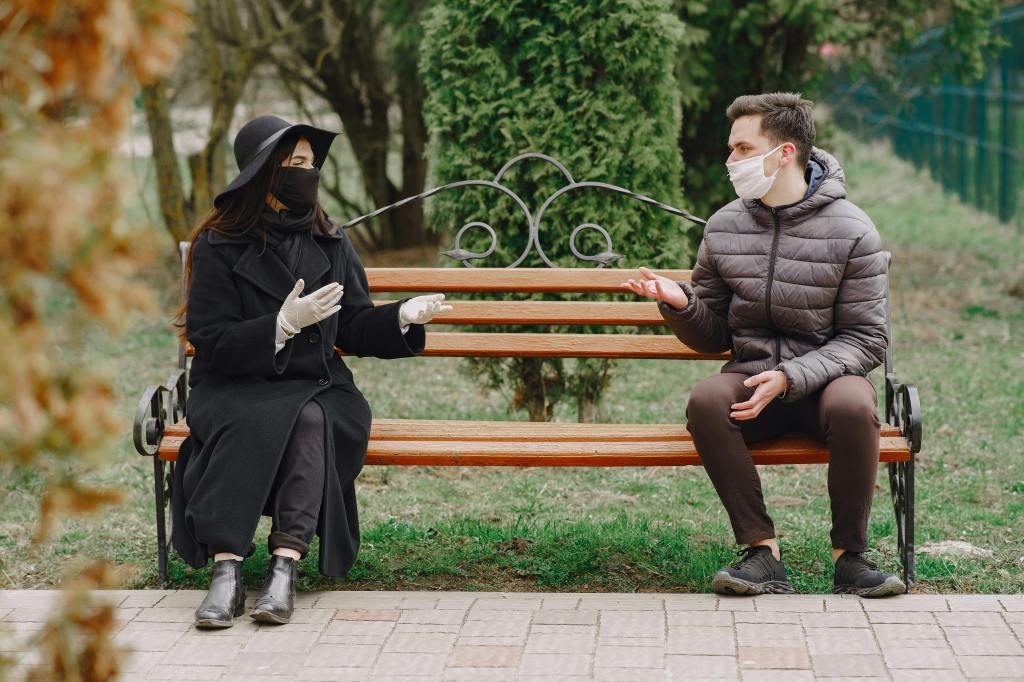
As an immunocompromised patient, I have worn a mask for more years than I can count. Leaving the house is something that strikes deep seated fear within me. I fear getting things like Covid19, the flu, and even a common cold. When your body does not fight off illness like everyone else, it makes it challenging to try to navigate the world outside my door.
When I first started masking, I was met with some odd comments from people while I was trying to spend time with them. People wanted to see my face while we spent time together, and eventually, I got strong enough to tell them no and that it was unsafe for me to do so.
Beyond illnesses, I also risk severe allergic responses to fragrances and scented products, due to Mast Cell Activation Syndrome (MCAS), a rare condition I live with, even if others doubt it. My commitment to personal safety shapes my life, regardless of outside opinions.
I do everything in life inside my bubble, and when I have to leave, I wear a mask. Masking has helped me avoid colds, flu, and Covid-19. Since 2020, I have been free of respiratory infections, thanks to the diligence I take to keep myself safe.
Personal protective equipment (PPE) is vital to my health, since I can’t tell if others are sick or wearing fragrances. Protecting my health is non-negotiable. To create a more accessible and accommodating society by 2040, we must engage in honest conversations about both visible and invisible illnesses.
By using PPE, I have protected myself and improved my quality of life. I had been masking long before COVID-19, and I will continue to mask now because it helps me live a better life.
Small, consistent efforts can foster change. As Audrey Hepburn said, “Nothing is impossible, the word itself says ‘I’m Possible.’” Together, we can realize this vision for accessibility.

